The Origin of Kathakali — When Gods Danced in Kerala
How the ancient art of Kathakali was born from a king's dream of bringing the Ramayana to life through dance, music, and painted faces.
The Story
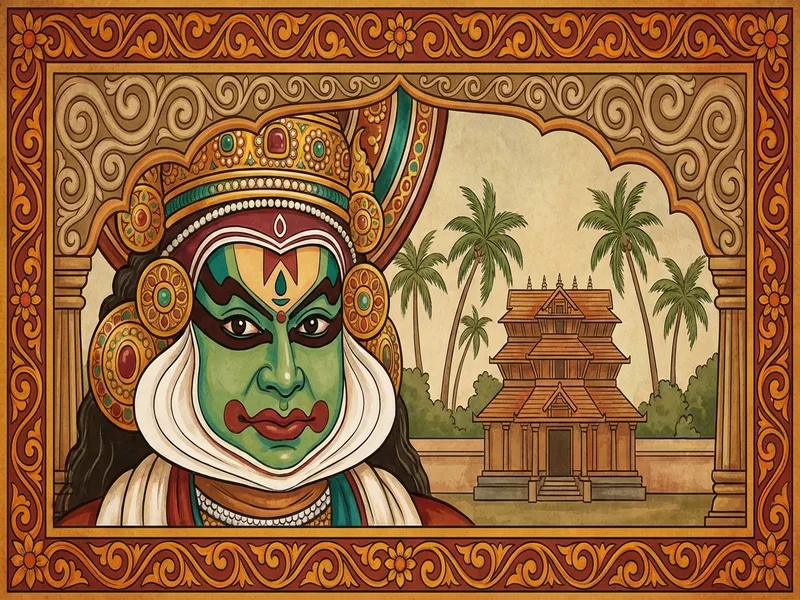
In the 17th century, the Zamorin of Calicut was a great patron of the arts. One monsoon evening, he watched a performance of Krishnanattam — a cycle of plays about Lord Krishna performed in Sanskrit. The beauty moved him to tears, but a thought nagged: why should only the learned enjoy these tales? The common people of Kerala, who spoke Malayalam, could not understand a word.
The Zamorin sent a request to the Raja of Kottarakkara, asking to borrow the Krishnanattam troupe. The Raja refused — some say out of pride, others out of politics. The Zamorin was furious, but his anger became ambition. "If they will not share their Krishna," he declared, "we will create something greater."
He summoned the finest poets, musicians, dancers, and painters in his kingdom. Together, they created Ramanattam — a cycle of plays based on the Ramayana, performed not in Sanskrit but in Malayalam, the language of the people. The characters wore elaborate costumes and crowns. Their faces were painted in vivid colours — green for noble heroes like Rama, red for fierce warriors, black for forest dwellers, and a terrifying blend for demons like Ravana. Every colour was a code the audience could read before a single word was spoken.
Over the next century, Ramanattam evolved. New stories beyond the Ramayana were added. The dance vocabulary grew more complex — every mudra of the hand, every movement of the eye carried meaning. The vocal music split from the dancer: now singers sang the narrative while the dancer performed it in pure gesture and expression. The name changed too. It became Kathakali — literally, "story play."
Today, a Kathakali performance is one of the most visually stunning art forms on Earth. The makeup alone takes four hours to apply. A single eye movement can communicate rage, love, or divine ecstasy. It began as one king's refusal and another king's determination. It survived because it spoke to the people in their own language, in a form they could feel in their bones. The gods did not come down to Kerala — Kerala brought the gods to life on its own stage.
Themes
Origin
Kerala
Language: Malayalam
Details
11 min
All Ages
Available On
Listen to This Story on BoxTales
Place the card on your BoxTales device and hear this tale come alive — no screens, just pure storytelling magic.
You Might Also Enjoy
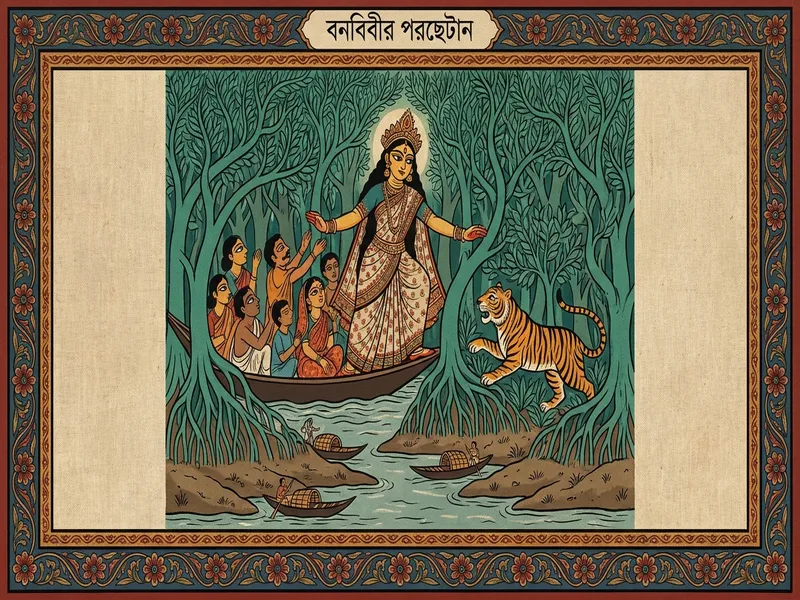
Bonbibi — The Guardian of the Sundarbans
The folk goddess who protects honey collectors and woodcutters in the mangrove forests of Bengal — a tale of courage shared across Hindu and Muslim communities.
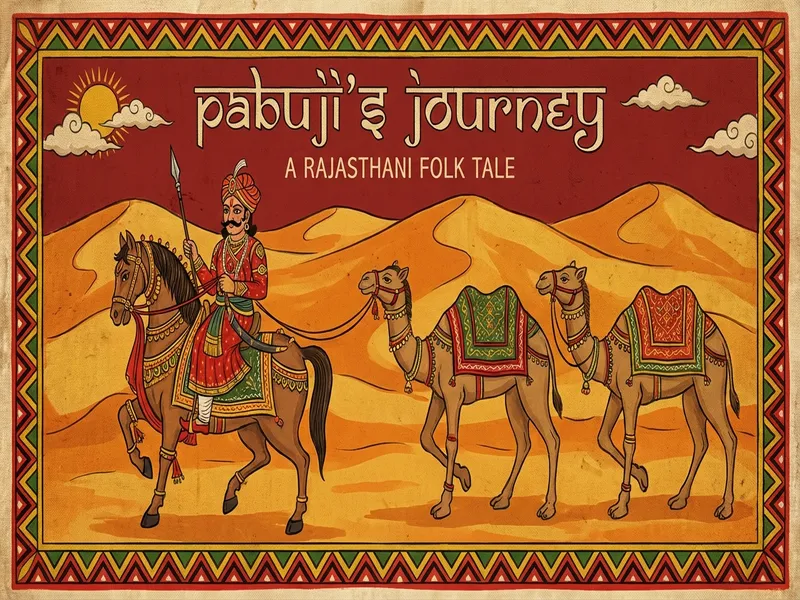
Pabuji and the Sacred Camels of Rajasthan
The legendary Rajasthani folk hero who gave his life to protect a herd of sacred camels — still sung today by Bhopa storytellers with painted scrolls.
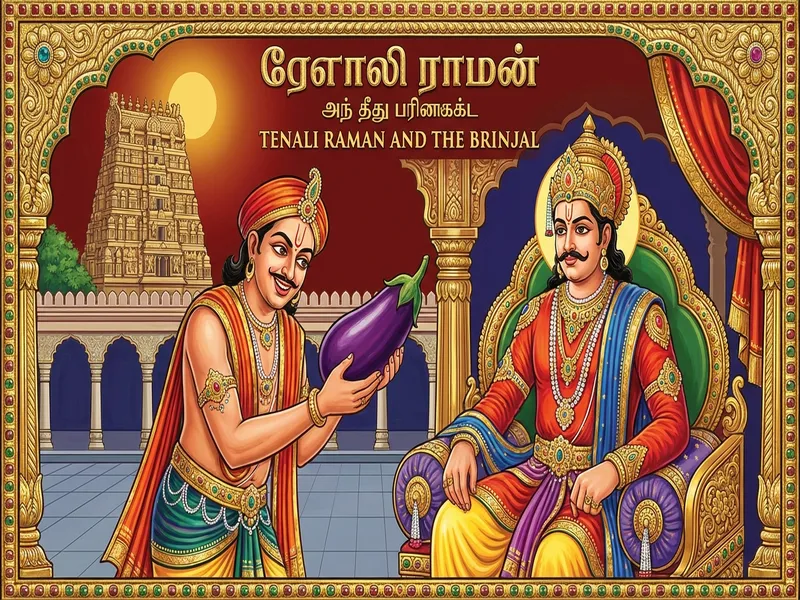
Tenali Raman and the Brinjal Curry
The witty court jester of Vijayanagara outwits the royal cook in this beloved South Indian folk tale about cleverness and humility.
Ready to Unbox
a Story?
Join 2,400+ Indian families preserving their culture, one story at a time. Early backers receive 10 bonus story cards.
Ships August 2026 · Free shipping · 30-day returns